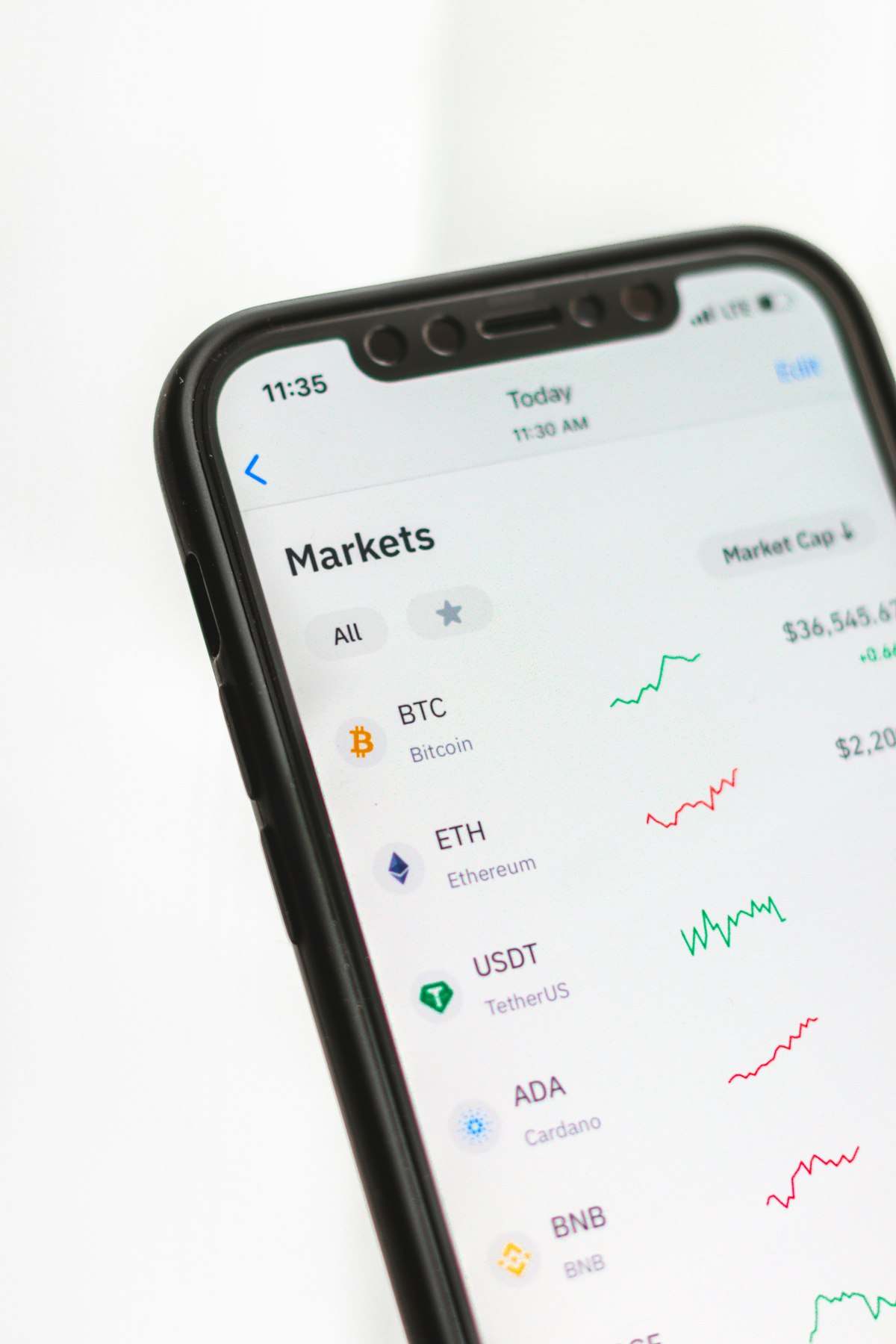
The dynamics of cryptocurrency markets are complex, particularly in ecosystems like Solana's memecoin market. A significant factor influencing these dynamics is the activity of whale wallets. These are large cryptocurrency holders whose trades can sway market prices. In this article, we delve into how whale wallets affect memecoin prices on Solana, offering insights into market behaviors and trends.
Understanding Whale Wallets in Crypto
A whale wallet is typically characterized by its large cryptocurrency holdings. In the context of memecoins, a whale is an entity capable of executing transactions that significantly impact price dynamics due to the volume involved. The actions of these entities are crucial to understanding market trends, as their trades can trigger significant market reactions.
Whale Wallets on Solana
Within the Solana ecosystem, whale wallets play a pivotal role in shaping the landscape of memecoin prices. Solana's high throughput and low transaction fees make it a preferred platform for memecoin activities, attracting both retail traders and whales. These large holders can influence the price and liquidity of tokens, leading to market fluctuations that smaller investors may find challenging to navigate.
Impact of Whale Wallet Activities
Whale wallets are instrumental in creating both opportunities and risks within the Solana memecoin market. Here's how their activities manifest:
- Price Swings: Large buy or sell orders from whale wallets can lead to abrupt changes in token prices. This is particularly evident in low-cap tokens where even a single large transaction can create significant price volatility.
- Market Sentiment: Observing whale wallet activities provides insights into market sentiment. Large buys may signal bullish sentiment, prompting smaller investors to follow suit, while large sells might trigger panic selling.
- Liquidity Impact: Whale transactions can affect the liquidity pools on decentralized exchanges (DEXs). A whale entering or exiting a position might alter the token's available liquidity, impacting slippage and price impact for other traders.
Monitoring Whale Activity with RunRadar
For traders and analysts, keeping track of whale activity is crucial. Platforms like RunRadar offer valuable tools for monitoring on-chain data, including whale wallet movements. By providing insights into large transactions and their effects on the market, RunRadar helps users make informed decisions based on the visible actions of large holders.
How to Analyze Whale Wallet Data
Interpreting whale wallet activity involves looking at transaction histories, volumes, and the timing of trades. Traders often use these insights to gauge potential price movements or market corrections:
- Transaction Histories: By analyzing past transactions, traders can predict potential moves by whales, helping to anticipate market shifts.
- Volume Analysis: Understanding the scale of whale trades in relation to total market volume can highlight the potential for significant market impact.
- Timing Patterns: Observing when whale transactions occur can reveal strategies, such as whether they align with broader market events or announcements.
Conclusion
The influence of whale wallets in the Solana memecoin ecosystem underscores the importance of on-chain data analysis. By leveraging platforms like RunRadar, traders can gain crucial insights into market dynamics, enabling them to better understand the potential impacts of large holders on memecoin prices. As Solana's market continues to evolve, staying informed about whale activities will remain essential for navigating its vibrant and sometimes volatile landscape.