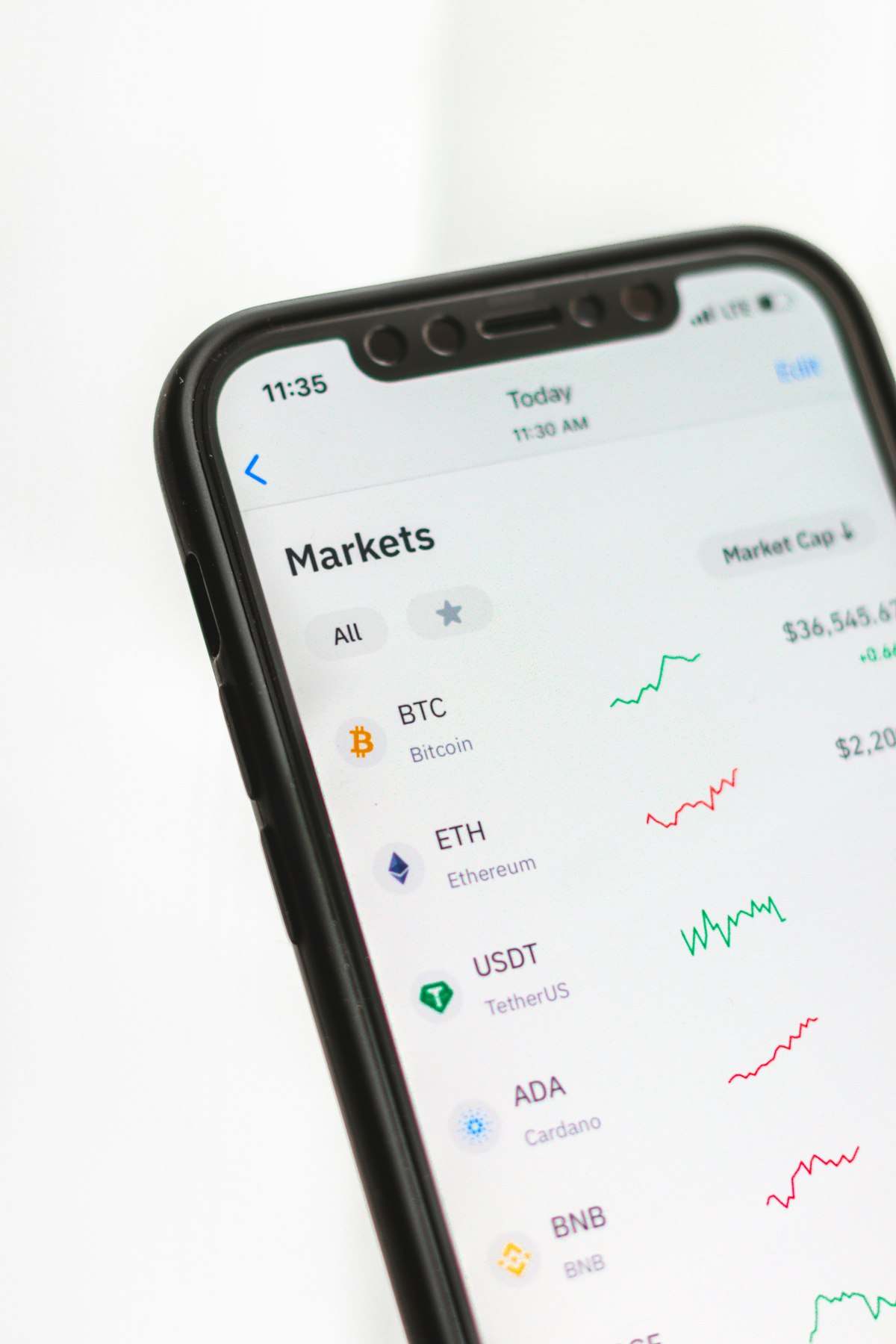
In the rapidly evolving world of blockchain, understanding how to interpret on-chain data can significantly enhance your analysis of market trends. Solana, known for its high-speed transactions and low fees, offers a wealth of data that can be leveraged for deeper insights into token performance and overall market dynamics. In this post, we'll explore how to analyze Solana token volume and transaction data effectively.
Understanding Solana Token Volume
Token volume is a crucial metric that reflects the total number of tokens traded over a specific period. On Solana, this can provide insights into the liquidity and popularity of a token. High volume often indicates strong market interest, while low volume might suggest limited trading activity.
Why Token Volume Matters
Analyzing token volume is essential for several reasons:
- Market Interest: High trading volume typically suggests that a token is attracting attention, which can be due to news, developments, or market sentiment.
- Liquidity: Higher volume generally indicates better liquidity, meaning you can trade tokens with minimal price impact.
- Volatility Indicator: Sudden spikes in volume can precede price changes, acting as a potential indicator of volatility.
Platforms like RunRadar provide comprehensive access to Solana's on-chain data, including token volumes, allowing users to track these dynamics in real-time.
Analyzing Transaction Data on Solana
Besides volume, transaction data is another vital element that provides insights into the behavior of market participants. This includes the number of transactions, average transaction size, and the times at which transactions occur.
Key Transaction Data Metrics
- Transaction Count: A high number of transactions can signify active market participation and interest in a token.
- Average Transaction Size: This metric helps in understanding whether trades are dominated by large players or retail traders.
- Time of Transactions: Identifying peak trading hours can reveal when a token is most actively traded.
By utilizing RunRadar’s tools, you can track these transaction metrics efficiently, aiding in the identification of patterns and anomalies.
Practical Steps to Analyze Data
Here is a step-by-step guide to help you make the most of Solana's on-chain data:
- Access Quality Data: Start by using platforms like RunRadar to obtain reliable and accurate token volume and transaction data.
- Set Benchmarks: Compare token volume and transaction data over time to establish benchmarks, allowing you to identify trends or anomalies.
- Use Visualization: Tools that provide visual data representation can make it easier to interpret trends and patterns.
- Monitor Changes: Keep track of sudden changes in volume or transaction data, as these may indicate upcoming market shifts.
Conclusion
Understanding Solana's token volume and transaction data is pivotal for gaining deeper insights into the blockchain's ecosystem. By analyzing these metrics, you can better comprehend market behaviors and potentially spot emerging trends. Whether you are a casual observer or a data analyst, leveraging platforms like RunRadar can enhance your ability to interpret complex on-chain data efficiently.