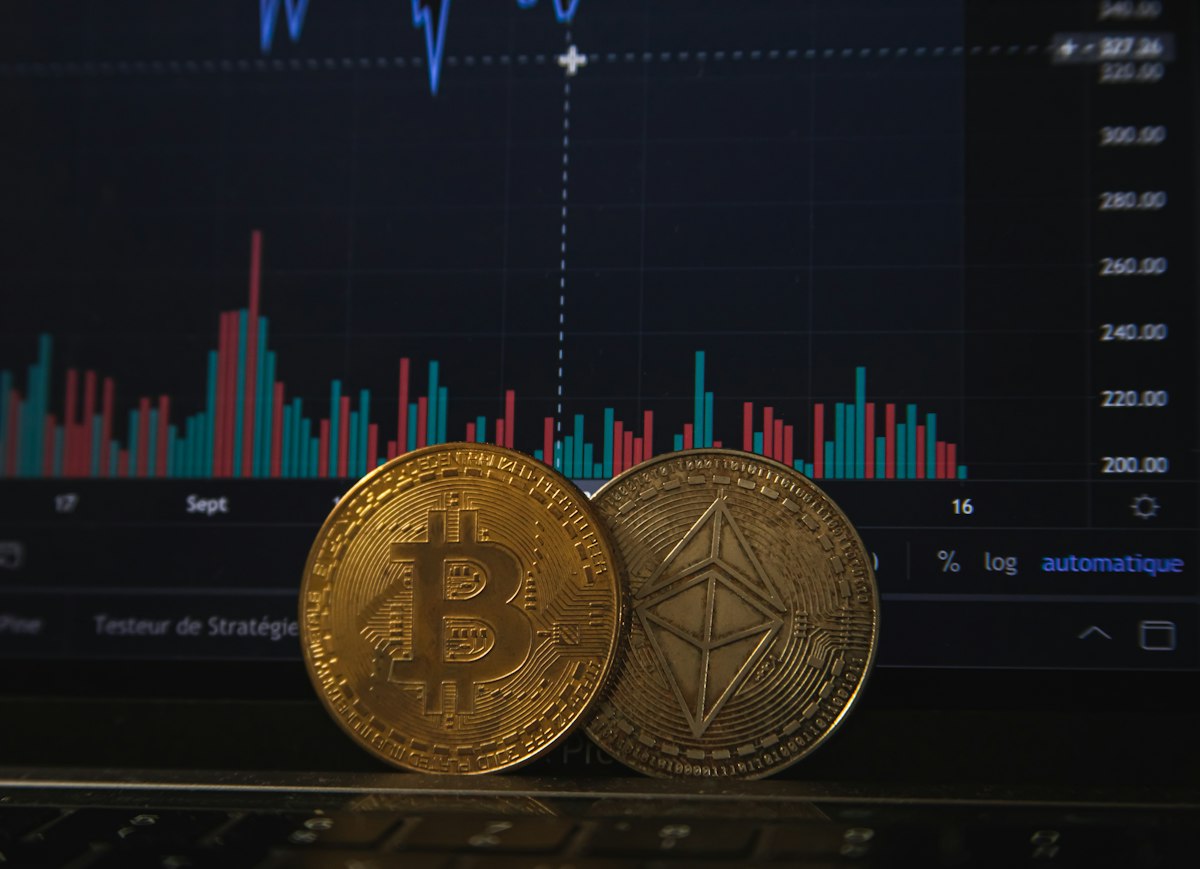
In the expanding ecosystem of Solana, decentralized exchanges (DEXs) have become pivotal for facilitating token trades. However, alongside legitimate trading activities, wash trading poses a challenge by distorting market perception and impacting token price integrity. This article delves into wash trading on Solana DEXs, helping you understand what it is, how it works, and how on-chain data can be leveraged to identify it.
What is Wash Trading?
Wash trading is a market manipulation tactic where a trader buys and sells the same financial instruments to create misleading, artificial activity in the marketplace. This practice can inflate trading volumes and falsely signal interest or liquidity, ultimately misleading investors about the token's value and demand.
How Wash Trading Occurs on Solana DEXs
On Solana DEXs, wash trading can be executed using automated scripts or bots. These tools rapidly buy and sell tokens within short time frames, creating the illusion of high liquidity and demand. As Solana's transaction fees are relatively low, the cost associated with this manipulative practice is minimal, providing an incentive for unscrupulous actors to engage in wash trading.
Identifying Wash Trading Through On-Chain Data
Spotting wash trading requires careful analysis of on-chain data. Platforms like RunRadar specialize in providing insights into Solana's on-chain activities, helping users detect anomalies. Here are some strategies to identify potential wash trading:
- Volume Spikes: Sudden and unexplained spikes in transaction volumes can indicate wash trading. Observing consistent high volume without corresponding organic growth or news can be a red flag.
- Repeated Patterns: Look for repetitive buying and selling patterns between the same set of wallets or accounts. These patterns may suggest artificial trading loops.
- Wallet Analysis: Tools like RunRadar can track wallet activities. Wallets involved in wash trading often show unusual behavior, such as high-frequency transactions with unusually high or low transaction fees.
Effects of Wash Trading on the Market
Wash trading can create several distortions within the Solana market:
- Misleading Liquidity: It inflates perceived liquidity, enticing traders with a false sense of security regarding liquidity availability.
- Price Manipulation: Artificially increased volumes can lead to price volatility, impacting those who base decisions on volume indicators.
- Market Integrity: Wash trading undermines the integrity of the market, making it challenging for genuine investors to gauge actual market sentiment.
Conclusion
Understanding and detecting wash trading is crucial for maintaining the integrity and transparency of Solana's trading environment. By utilizing on-chain data analytics, such as those provided by RunRadar, traders and analysts can better identify and mitigate the effects of this deceptive practice. Staying informed and relying on robust data analysis tools is essential in navigating the complexities of decentralized trading platforms like those on Solana.