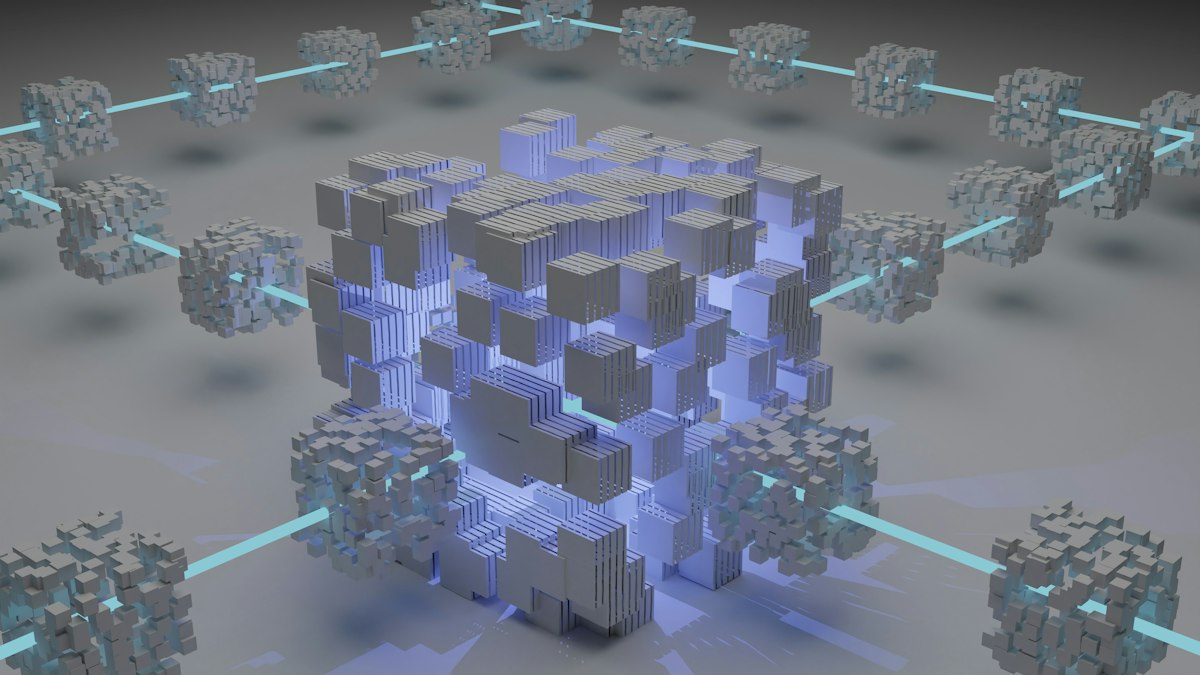
In the rapidly evolving realm of blockchain technology, accurate data integration is crucial for the proper functioning of decentralized applications (dApps). Solana's on-chain oracle mechanism plays a pivotal role in ensuring the reliability and accuracy of external data, which feeds into the blockchain. This article delves into how these oracles work within the Solana ecosystem and their importance in maintaining the integrity and utility of blockchain applications.
What Are Blockchain Oracles?
Blockchain oracles are services that provide external data to smart contracts. They serve as crucial intermediaries, allowing smart contracts to interact with real-world information that exists outside the blockchain. This data can range from financial market prices to weather conditions, and oracles help ensure smart contracts execute based on accurate, up-to-date information.
The Role of Oracles in Solana
Solana's oracles are designed to bridge the gap between off-chain data sources and on-chain systems. Given Solana's high throughput and low transaction fees, integrating fast and accurate data is essential for dApps that require real-time information. Oracles feed this data into the blockchain, enabling various blockchain applications—such as DeFi protocols, prediction markets, and supply chain tracking—to function effectively.
How Do Solana Oracles Work?
Solana's on-chain oracles leverage a decentralized network of data providers to gather and verify information. This ensures that the data integrated into the blockchain is not only accurate but also resistant to manipulation. Here's a basic breakdown of how they work:
- Data Collection: Oracles aggregate data from multiple sources. This could include APIs from trusted financial data providers, IoT devices, or other blockchains.
- Validation: The data is then verified by multiple nodes within the oracle network to ensure its accuracy and prevent any single point of failure.
- Data Integration: Once validated, the data is submitted to the Solana blockchain where it can be accessed by smart contracts.
Key Features of Solana's Oracle Mechanism
Solana's oracles are distinguished by several key features:
- Decentralization: By relying on a network of independent data sources, Solana's oracles avoid central points of failure and reduce the risk of data manipulation.
- Scalability: The high throughput of Solana's blockchain makes it capable of processing large volumes of data quickly, which is crucial for applications requiring real-time updates.
- Security: Through cryptographic techniques and consensus mechanisms, Solana ensures that oracles deliver trustworthy data to smart contracts.
Why Are Oracles Important?
Oracles are integral to the functionality of many blockchain applications. In finance, for example, DeFi protocols rely on oracles to access market price data, which affects lending rates, collateralization, and liquidation processes. In supply chain management, oracles can provide tracking information that enhances transparency and accountability. Without reliable oracle systems, smart contracts would be unable to interact with real-world data, severely limiting their applicability and usefulness.
For platforms like RunRadar, which specialize in Solana on-chain data tracking, understanding oracle mechanisms is crucial. By providing insights into how these systems operate, RunRadar enables developers and users to make informed decisions about the integration and use of external data in their applications.
Conclusion
Solana's on-chain oracle mechanism is a vital component of the blockchain's infrastructure, ensuring that dApps can interact with reliable external data. By facilitating data integration securely and efficiently, oracles enhance the functionality and trustworthiness of Solana-based applications. For stakeholders and developers navigating the Solana ecosystem, leveraging tools like RunRadar can provide valuable insights into the dynamics of oracle data integration, ultimately fostering a more robust and secure blockchain environment.