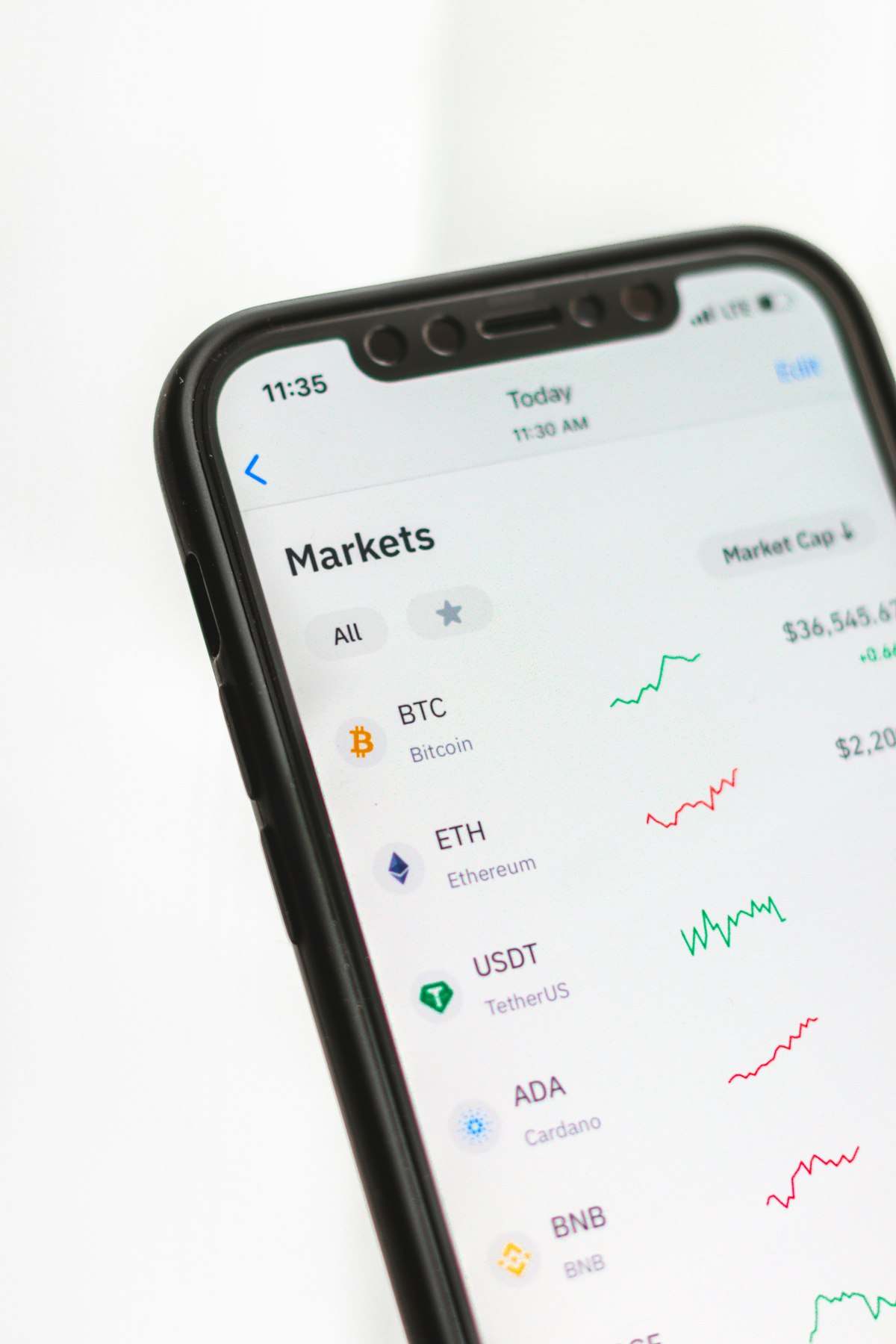
In the ever-evolving world of cryptocurrency, understanding blockchain movements is crucial for both developers and enthusiasts. One concept gaining traction is on-chain momentum tracking. This method is particularly relevant in ecosystems like Solana, where rapid transactions and scalability are key features. But what exactly is on-chain momentum tracking, and how does it function within the Solana blockchain?
Understanding On-Chain Momentum Tracking
On-chain momentum tracking involves analyzing blockchain data to identify patterns and trends over time. This can include transaction volume, wallet activity, and token movement. Within the Solana network, which prides itself on low transaction costs and high throughput, momentum tracking becomes even more critical. By examining these metrics, users can gain insights into the network's activity levels and potential future behaviors.
Key Components of On-Chain Momentum Tracking
To effectively utilize on-chain momentum tracking, it's essential to focus on several core components:
- Transaction Volume: A spike in transaction volume may indicate increased interest or activity in a particular token or the entire network.
- Wallet Interactions: Analyzing wallet creation and activity can highlight user engagement and adoption trends.
- Token Movement: Following the flow of tokens between wallets can reveal potential shifts in demand and supply dynamics.
How On-Chain Momentum Tracking Works on Solana
Solana's unique architecture, featuring a proof-of-history (PoH) consensus mechanism, allows for swift transaction processing. This capability is critical for on-chain analysis, enabling users to track momentum in near real-time. By leveraging Solana's on-chain data, platforms like RunRadar offer powerful tools to analyze these movements.
Data Collection and Analysis
The first step in on-chain momentum tracking is data collection. Solana's open and transparent blockchain allows anyone to access its on-chain data. Using advanced analytics tools, platforms can parse this data to identify significant trends. RunRadar, for example, provides a comprehensive suite of features to monitor transaction patterns, helping users make more informed decisions about the Solana ecosystem.
Once collected, the data undergoes various analytical processes to extract actionable insights. This could include statistical modeling, machine learning algorithms, or simple trend analysis. The result is a clearer picture of how tokens are moving within the network and potential implications for future network behavior.
The Role of On-Chain Momentum Tracking in Solana's Ecosystem
In Solana's fast-paced environment, understanding momentum can be crucial. While it’s important to note that on-chain momentum tracking is not a predictor of future market conditions, it can help elucidate underlying network trends. Developers, researchers, and enthusiasts can all benefit from the insights gained through these analyses.
Platforms like RunRadar play an essential role by providing tools that offer detailed visibility into Solana's blockchain activities. By offering real-time data and historical analysis, RunRadar empowers users to explore and understand the complex dynamics of Solana's network.
Conclusion
On-chain momentum tracking is a powerful tool for anyone interested in understanding the movements and trends within the Solana blockchain. By focusing on transaction volume, wallet interactions, and token movement, this method provides valuable insights into the network's activity. While it’s not a crystal ball, platforms like RunRadar provide the resources needed to delve into these patterns, enhancing our understanding of Solana's dynamic ecosystem.
```